
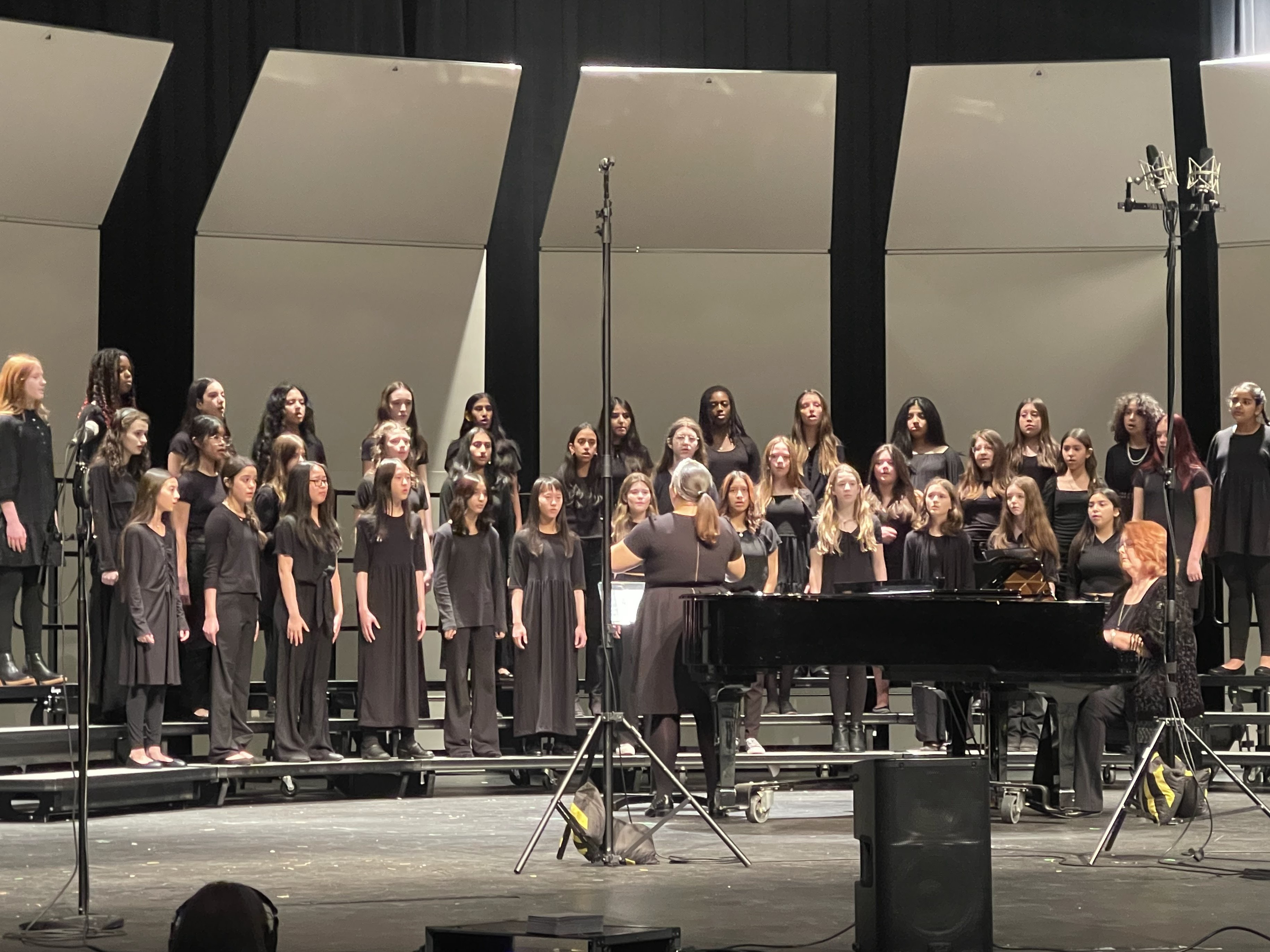
Whenever I mention that I teach middle school, people usually respond with apprehension or pity: “Wow, I can’t imagine how hard that is!” “Better you than me!” Teaching middle school carries a certain stigma, but if you build a welcoming community where students feel safe to grow and make mistakes, it can become a wonderful environment full of excellent musicianship, humor, and heart.
Below are three of my favorite tools for building an inclusive classroom culture where every student can find their place!
1. Community Circles
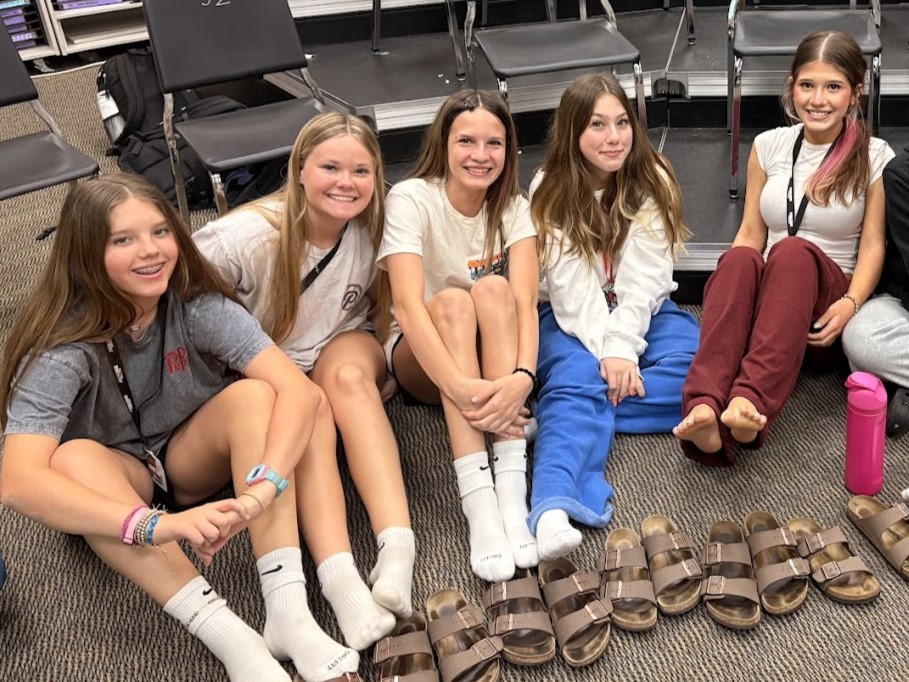
I aim to facilitate these with my 7th and 8th graders every 3-4 weeks. We sit on the floor in a circle to increase the comfort level of students. In larger classes where this isn’t possible, I allow students to change seats and sit by their friends for the day.
To maintain respect and discussion flow, we always review our class norms: Safe Space, Talking Piece, and Right to Pass.
- Safe Space lets the students know that they can share without fear that their words will leave the choir room. The only exception is anything that is shared that implies danger to themselves or another person.
- Talking Piece reminds us that only the person holding the talking piece has the right to speak. I use various stuffed animals that students have given me over the years - they love voting on which one we’ll use that day!
- Right to Pass means that no one is forced to share. If a student prefers to listen, they can simply say “pass” and move the talking piece along.
These norms work very well for my classroom, but they are adjustable depending on your needs. I always start each community circle with highs and lows which I call Storm Clouds and Sunshines to make it more fun! I then follow up with a few icebreaker questions, varying from lighthearted (“If you were an animal for a day, which would you choose?”) to serious (“Who is one person who has made a significant impact on your life?”) to increase the level of engagement.
2. Five Word Weekend
In my experience, 6th graders sometimes struggle to maintain the focus required for a full Community Circle. For them, I prefer an activity called Five Word Weekend. Students share a recap of their weekend in five words or less. They can list subjects (“pizza,” “mall,” “bowling,” “homework,” “sleep”) or they can share a 5 word sentence (“I went to the mall”).
I love this activity because it is short but meaningful. You can learn a lot about your students’ lives without sacrificing significant rehearsal time. I often use this with my older students on weeks when we don’t have time for a full Community Circle.
3. Students of the Month
To further reinforce a positive culture, I utilize a “Choir Students of the Month” program. At the start of the year, I introduce the criteria for being an excellent choral scholar: being a hard worker, showing kindness to peers and teachers, being helpful, and staying excited to be in choir.
One student is selected from each ensemble. Their photos are posted on our classroom bulletin board, included in our newsletter, and shared on our school social media. While I don’t provide extrinsic rewards, the students have become deeply invested in the process. There is always huge applause when the names are announced, and that collective celebration creates incredible buy-in for our program.
Closing Thoughts
The culture you create can make or break your classroom environment. While it’s often a struggle to prioritize community-building when concert deadlines are looming, remember that the more invested your students feel, the harder they will work for the ensemble!