
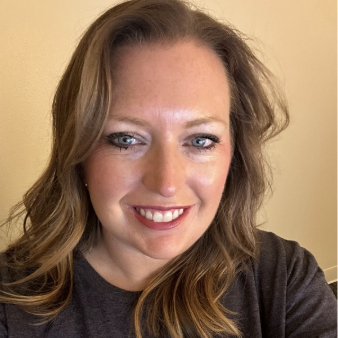
After 22 years of teaching orchestra across various Texas school districts—Carrollton-Farmers Branch, Frisco, Lovejoy, and now Prosper ISD—I’ve learned that collaboration is one of the most powerful tools in a music educator’s toolkit.
I’ve been privileged to work with talented directors throughout my career, but it wasn’t until I started in Lovejoy ISD that I fully realized the profound value of a true team teaching partnership. This shift didn’t just enhance our students’ musical growth; it absolutely reinvigorated my own teaching practice.
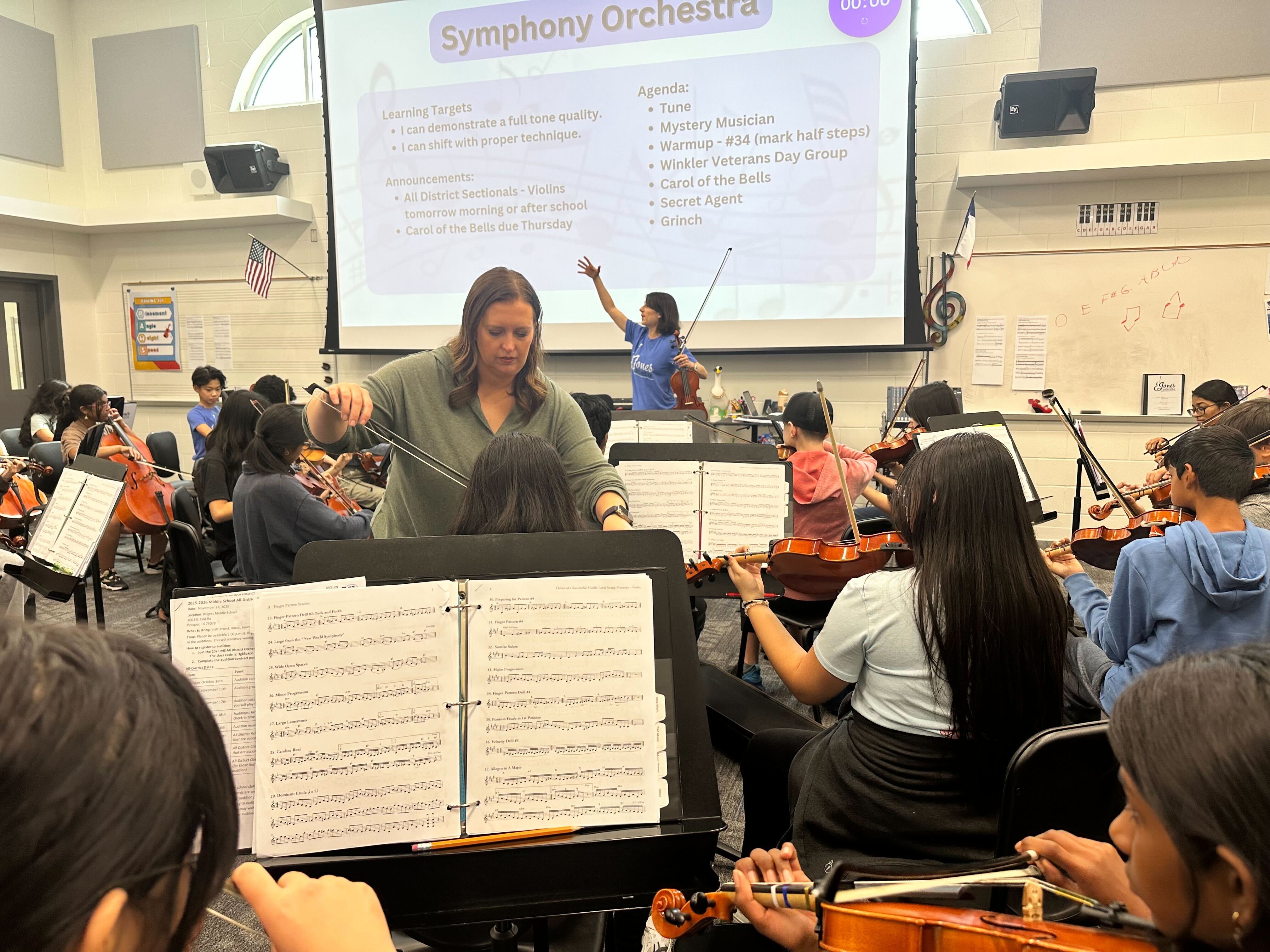
Team teaching in a music classroom—especially orchestra, band, or choir—offers a unique opportunity to model high-level musicianship, effective classroom management, and professional collaboration. However, it demands intentional planning, open communication, and mutual respect. Whether you’re a seasoned director or just starting out, here are my insights and easy-to-adopt practices for a successful and rewarding co-teaching experience.
Why True Team Teaching Works
Team teaching generates significant positives for students, teachers, and the overall program.
For Students
Students receive a richer, more tailored experience:
- Individualized Attention: One teacher can lead rehearsal while the other circulates, providing real-time feedback or pulling small groups for targeted technique work. The lesson flow remains unbroken, and students gain a deeper understanding of the content.
- Diverse Instruction: Exposure to two teaching styles, two perspectives, and two professional models.
- Stronger Management: Two sets of eyes and voices naturally enhance classroom control and structure.
For Teachers
Team teaching moves teaching from a solo act to a supportive partnership:
- Shared Workload: A truly shared responsibility for planning, logistics, and class management.
- Professional Growth: Teachers learn from one another in the moment. Observing a colleague work with the same group of students is one of the best ways to grow as an educator—it requires a growth mindset and a belief that every teacher brings unique value.
- Enhanced Creativity: Shared problem-solving leads to more innovative lesson plans and assessment methods.
For the Program
The entire ensemble benefits from a cohesive, dual-director approach:
- Stronger Community: Students see two adults working together toward a common goal, building a sense of teamwork and unity.
- Easier Differentiation: It becomes simple to differentiate instruction for varied skill levels, supporting both high-achievers and those needing specialized help (inclusion).
- Consistency and Continuity: Students benefit from a more consistent approach across classes and rehearsals.
How to Get Started: Easy-to-Adopt Practices
In the past, the common model was splitting classes: the Head Director took ownership of the Varsity and Sub Non-Varsity ensembles, and the Assistant took ownership of the Non-Varsity ensemble, with the “assisting teacher” offering feedback or running sectionals. While that model works, I encourage you to let go of some control and truly share each class. The results—in student growth, your professional satisfaction, and program strength—will be immense.
Here’s how to build a powerful partnership:
- Plan Together, Intentionally: Set dedicated time weekly to plan every class. Put it on the calendar and use an agenda to cover lesson goals, student progress, upcoming events, and communication points.
- Divide and Conquer Rehearsal: While one teacher is actively leading the full rehearsal, the other should be either circulating to give individual help or pulling a small group for intensive concept work (e.g., specific bowing, tricky rhythm).
- Rotate Leadership Roles: Switch who leads the full ensemble regularly. This keeps things fresh, allows each teacher to showcase their strengths, and ensures students view both teachers as equal leaders.
- Model Professional Collaboration: Your students learn a huge amount by watching you. Demonstrate respectful communication, shared decision-making, and mutual support in real-time.
- Use Shared Digital Tools: Employ shared digital calendars, lesson plan documents, and rehearsal notes to keep both directors on the exact same page, especially during busy concert seasons.
- Create a Feedback Loop: Build a safe space for constructive critique. Take a few minutes after class to debrief: What went well? What could we improve? This commitment to shared reflection drives continuous improvement.
- Celebrate Together: Acknowledge and celebrate shared wins, whether it’s a brilliant concert performance or a breakthrough moment with a struggling student.
Final Thoughts
Team teaching has profoundly transformed the way I approach the classroom. It’s allowed me to be more reflective, creative, and responsive to student needs. Working as a team has fundamentally reminded me that teaching is not a solo act—it’s a duet, a collaboration, a shared journey.
If you are lucky enough to have a co-teacher in your music classroom, embrace the opportunity. With clear communication, mutual respect, and a shared vision, you can create a truly special learning environment—not just for your students, but for yourselves.